Case Studies
Systems-first product leadership
Client engagements, design systems, and the tools I use to connect research, decisions, and delivery. Recent work with Parts Town and The Academy shows that practice in use.
-
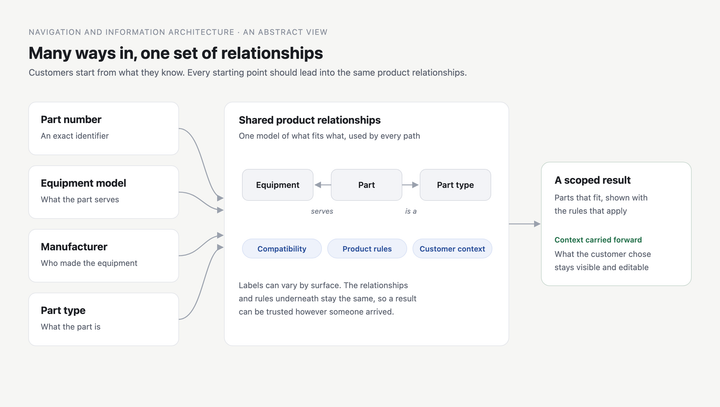
Parts Town: Navigation and Information Architecture
Connecting customer intent, catalog structure, and the rules that shape product discovery.
A navigation and information architecture engagement connecting storefront evidence, catalog relationships, and customer context to a practical recommendation for product discovery.
-
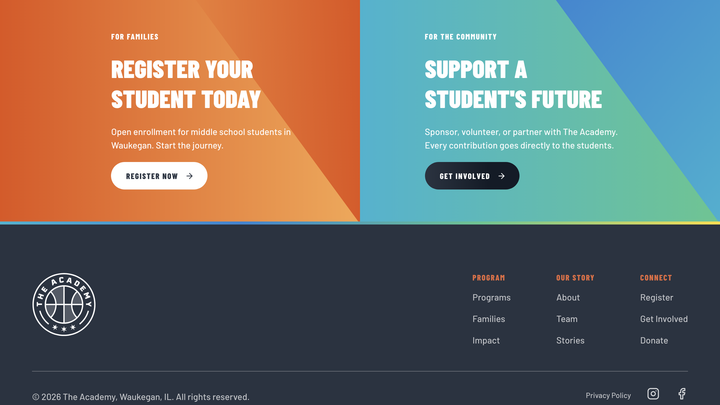
The Academy: Connecting Brand, Content, and Delivery
Helping a community program tell its full story and carry it through to a working website.
Led strategy, content direction, and delivery coordination for The Academy's rebrand and website, connecting a family-centered experience to the team's everyday work with Reasonbook, Stage1, and TraceLab.
-
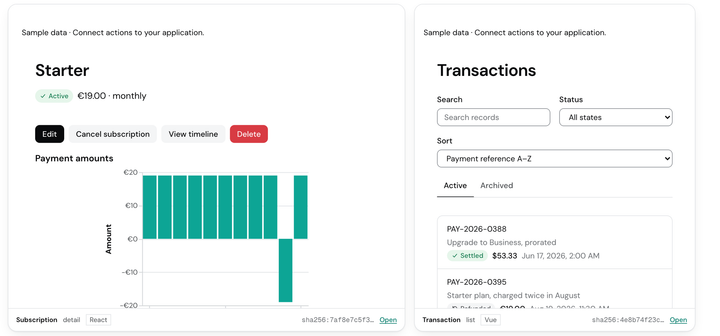
OODS Foundry: One Object, Every Screen
An object-oriented design system that builds screens from your product's objects and extends the design system you already have.
OODS Foundry is an object-oriented design system that an AI assistant drives over MCP. You name an object and a context, and it composes the screen from governed components and design tokens, generates React or Vue, and certifies the charts it draws. It's free under Apache 2.0 and in beta.
-
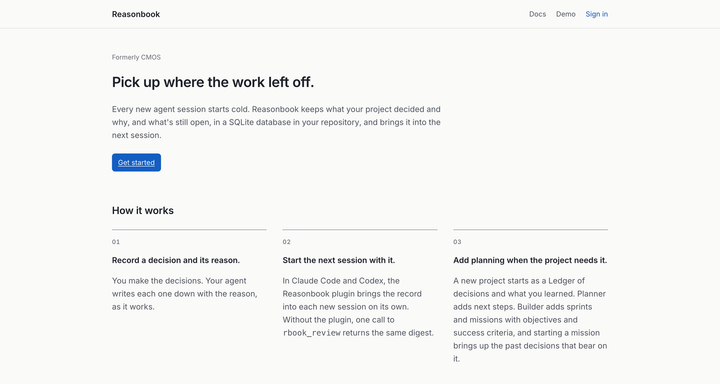
Reasonbook: Decisions That Survive the Session
A record of what a project decided and why, kept with the code, so the next agent session starts where the last one stopped.
Reasonbook keeps a project's decisions, reasons, lessons, and open work in a SQLite file in the repository, and brings that record into each new agent session. It started as CMOS, the system I built to run my own projects. It's now open source, with plugins for Claude Code and Codex.
-
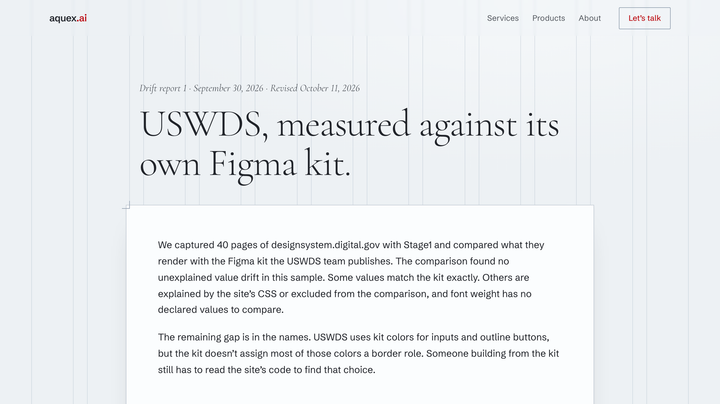
Stage1: Measuring What Actually Shipped
A product inspection tool that records what a live site really renders, compares it with the design system it's supposed to follow, and ties every finding to its evidence.
Stage1 opens a live site in a real browser and records what shipped: styles, tokens, structure, accessibility results, and Lighthouse results. It compares that with a Figma file, CSS, or token JSON, and links each finding to its evidence. It runs on your machine as a command-line tool, a local viewer, and an MCP server, and it's free on npm.
-
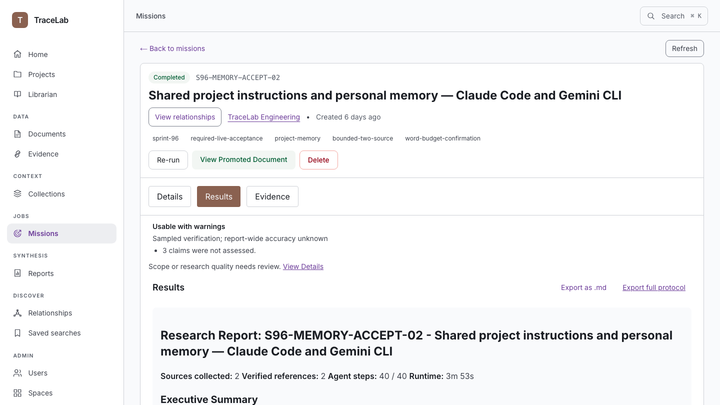
TraceLab: Research You Can Check
A research workspace where every answer shows the passages it came from, and every report says what it didn't verify.
TraceLab is an invite-only research workspace. Each project holds its documents, a ledger of sourced evidence, and cited reports. The Librarian answers with citations and drafts research missions, and DeepSearch, a separate worker, runs them on the web. In September 2026 I redesigned it from the ground up on OODS Foundry.
-
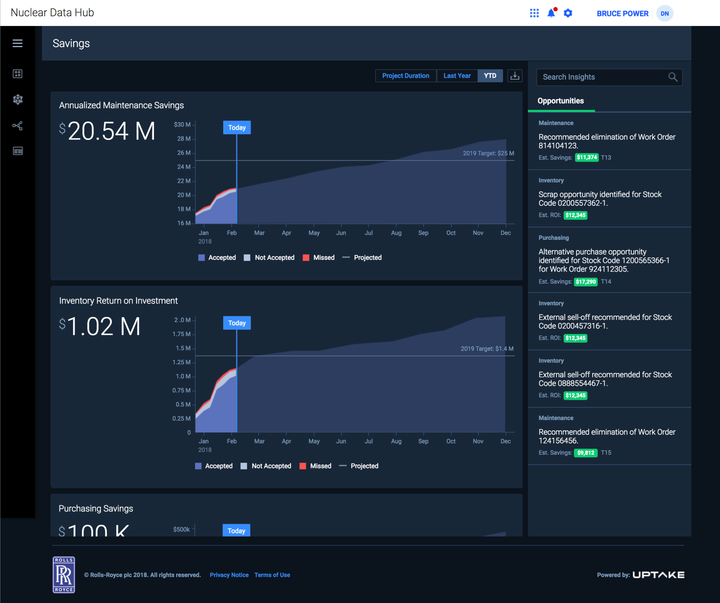
Industrial IoT Design System — Uptake
Design system for real-time industrial dashboards and safety-critical alerts across multiple verticals.
Built and led a 12-person UX team and an industrial IoT design system that unified time-series, alerting, and diagnostic patterns across a suite of ML and data products.
-
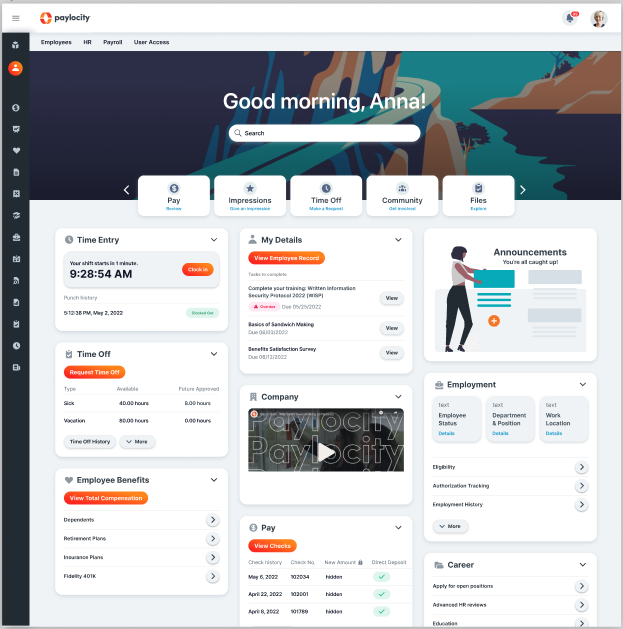
Paylocity UX/UI Modernization — Citrus Design System
From 'C+' UI to a modern, governed design system that scaled across a multi-product HR platform.
Helped lead the UI modernization that unified Paylocity's suite around the Citrus design system, contributing shared patterns, components, and a five-dimension brand-to-UX framework.
-
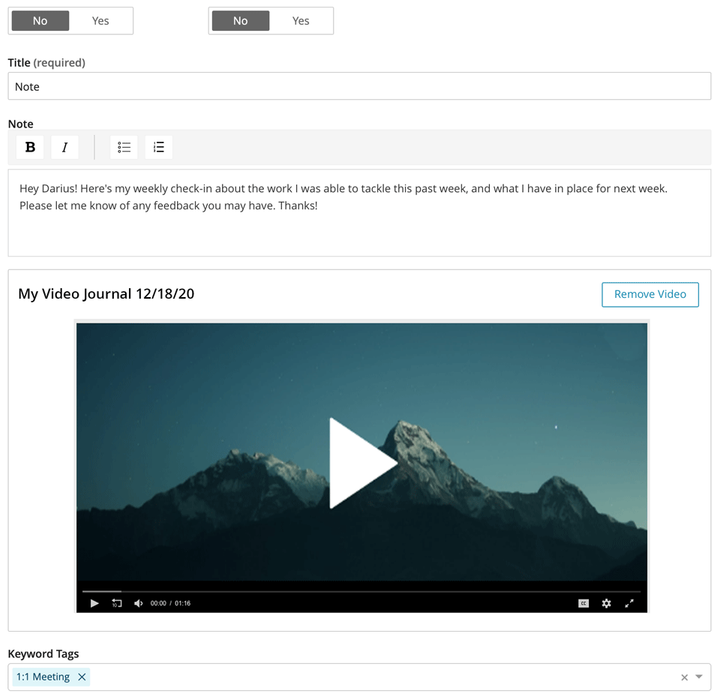
Paylocity Video Solutions
Unifying video creation, delivery, and analytics into a credible, high-engagement platform capability.
Led UX strategy for a video ecosystem that spans onboarding, learning, communication, and recognition, turning video from a bolt-on feature into a differentiated platform capability.